
repository


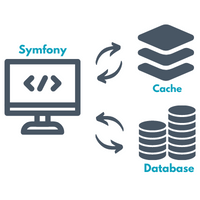
Repository cache in Symfony

  • avatar
  • 4.3K Views
  • 11 mins read
Preview post image

In today's data-driven world, efficient data management is paramount for any modern web application. Symfony, a popular PHP framework, provides developers with powerful tools and patterns to streamline data handling. Two key components that play a pivotal role in enhancing data management within Symfony applications are the Repository Pattern and Data Caching. In this article, we'll delve into these concepts, exploring how they work together to boost performance and simplify data access in Symfony projects.
Downloading and installing Node.js and NPM

  • avatar
  • 2.9K Views
  • 1 Like
  • 4 mins read
Preview post image

NPM stands for Node Package Manager, which is an application and repository for developing and sharing JavaScript code. To publish and install packages to and from the public NPM registry or a private NPM registry, you must install Node.js and the NPM command line interface using either a Node version manager or a Node installer.

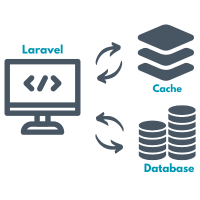
Tag-based cache inside Laravel repositories

Available to Premium members only
  • avatar
  • 1.2K Views
  • 12 mins read
Preview post image

Working with cache can drastically improve the performance of an application, especially when dealing with data that doesn't change too often. While Laravel provides solid support for caching through multiple drivers, it doesn't offer native support for cache tags. To work around this limitation, we'll integrate Symfony's Cache component, which brings tag support and fits well into the repository pattern we've already established. In this article, we'll build on the existing structure and focus on using cache tags to group and clear related data more efficiently.

 Join Our Monthly Newsletter

Get the latest news and popular articles to your inbox every month

We never send SPAM nor unsolicited emails

Clean query building using Criteria

  • avatar
  • 1.1K Views
  • 1 Like
  • 5 mins read
Preview post image

Criteria is a framework-agnostic PHP package that simplifies the use of the criteria pattern for filtering, sorting, and paginating data. It helps separate query logic from repositories, making the codebase easier to maintain and extend over time. By using Criteria, developers can handle complex querying needs without spreading filter logic across different parts of the application.